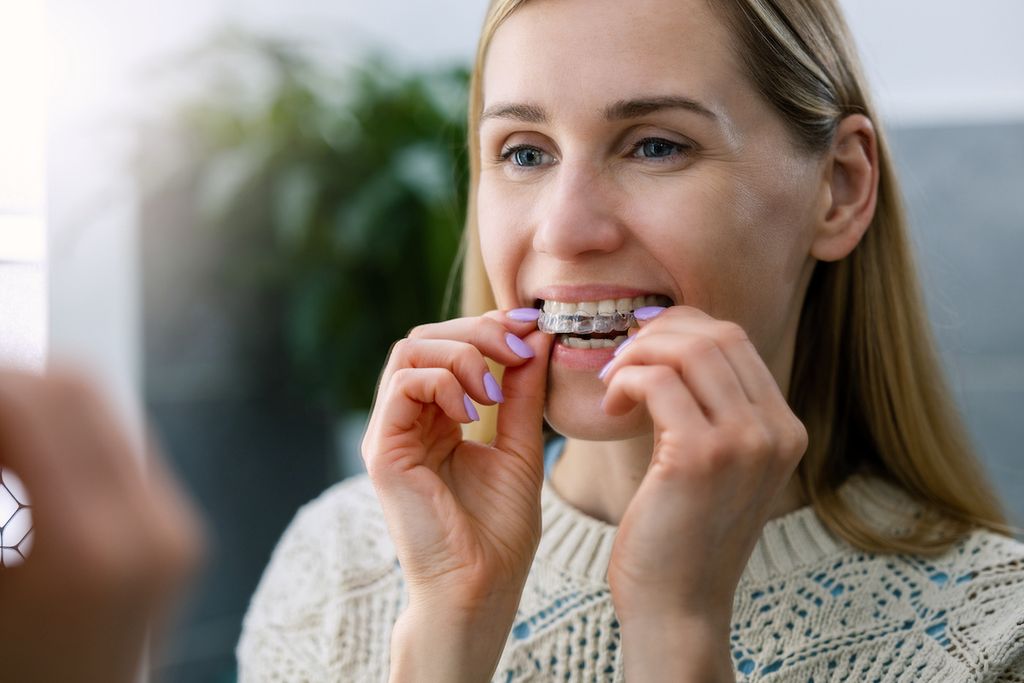

You finally finished braces or clear aligner treatment, and your smile looks amazing. Then a few months—or even years—later, you notice something concerning:
A tooth looks slightly crooked.
Your bite feels different.
A small gap has appeared.
So what’s happening? Is it normal for teeth to shift after orthodontic treatment?
The short answer is yes—some tooth movement after braces is completely normal. However, significant shifting is usually a sign that your teeth are not being properly retained.
Let’s explore why teeth move after treatment and what you can do to protect your smile for life.
Do Teeth Naturally Shift After Braces?
Yes.
Teeth are not permanently locked into place after braces or clear aligner treatment. Even after treatment is complete, the bone and soft tissues surrounding the teeth continue adapting to their new positions.
This is why orthodontists place such a strong emphasis on retainers after treatment. Retainers help stabilize your new smile while the surrounding structures adjust to the corrected alignment.
What Is Orthodontic Relapse?
Orthodontic relapse occurs when teeth begin moving back toward their original positions after treatment.
This is one of the most common reasons patients notice shifting after braces or clear aligners.
Relapse may occur when:
- Retainers are not worn consistently
- Retainers no longer fit properly
- Retainers are lost or damaged
- Teeth naturally continue shifting over time
Without retention, teeth have a tendency to return toward their previous positions.
How Much Shifting Is Normal?
Minor movement is normal throughout life.
You may notice:
- Slight crowding over time
- Minor bite changes
- Small spacing changes
- Teeth settling into their final positions
These subtle changes often occur even in people who never had orthodontic treatment.
However, significant movement, obvious crowding, or noticeable changes in alignment should be evaluated by an orthodontist.
 
Why Do Teeth Shift Years After Braces?
Many patients are surprised to learn that teeth can continue shifting throughout adulthood.
Common causes include:
Not Wearing a Retainer
This is by far the most common reason.
Retainers are designed to hold teeth in position and prevent relapse. When retainers are not worn consistently, teeth may begin shifting surprisingly quickly.
Natural Aging
As we age, teeth naturally experience small movements due to normal changes in bone, gum tissue, and bite forces.
Teeth Grinding and Clenching
Excessive pressure from grinding or clenching may contribute to changes in tooth position over time.
Wisdom Teeth Concerns
While wisdom teeth do not directly cause all orthodontic relapse, they can contribute to crowding concerns in certain patients.
Periodontal Disease
Gum disease and bone loss can cause teeth to loosen and shift from their normal positions.
What Happens If You Stop Wearing Your Retainer?
You may not notice changes immediately.
However, over time:
- Teeth can gradually drift
- Crowding may return
- Spacing can develop
- Bite issues may reappear
Many patients who stop wearing retainers eventually require retreatment to restore their alignment.
Can Teeth Move Back If I Start Wearing My Retainer Again?
Sometimes.
If only minor shifting has occurred, consistent retainer wear may help teeth settle back into position.
However, if substantial movement has occurred, your retainer may no longer fit. In these cases, additional orthodontic treatment may be necessary.
The sooner you address shifting teeth, the easier it is to correct.
How Long Should You Wear a Retainer?
The honest answer is simple:
As long as you want your teeth to stay straight.
At First Impression Orthodontics, patients typically wear retainers full-time initially before transitioning to nighttime wear. Long-term nighttime retainer wear helps maintain alignment and reduce the risk of relapse.
Can Adults Fix Teeth That Have Shifted?
Absolutely.
Many adults seek orthodontic treatment because their teeth have shifted after previous braces.
Treatment options may include:
- Braces
- Clear aligners
- Limited retreatment
- Retention therapy
The right solution depends on the severity of the movement and your treatment goals.
Protecting Your Smile in Alexandria, VA
At First Impression Orthodontics, we help patients throughout Alexandria, Springfield, Kingstowne, Franconia, Fort Belvoir, and surrounding Northern Virginia communities maintain healthy, beautiful smiles long after active treatment ends.
Whether you’ve recently finished braces or are concerned about teeth shifting years later, our team can evaluate your smile and recommend the best solution for preserving your results.
Meet the Orthodontists at First Impression Orthodontics
Long-term smile success starts with expert orthodontic care. Our doctors create personalized treatment plans and retention strategies designed to keep your smile healthy and aligned for years to come.
Learn more about Dr. Lu and Dr. Schneider.
Visit Our Alexandria Orthodontic Office
Our Alexandria orthodontic office is conveniently located for families throughout Northern Virginia. Whether you’re considering braces, clear aligners, or need help with a retainer that no longer fits, we’re here to help.
Visit our Alexandria office page for directions, office hours, and scheduling information.
Don’t Let Small Shifts Become Bigger Problems
If you’ve noticed your teeth moving after braces or clear aligner treatment, don’t wait until the problem becomes more difficult to correct.
A simple orthodontic evaluation can determine whether your smile is experiencing normal settling or true orthodontic relapse and help you protect your results for years to come.
Frequently Asked Questions
Is it normal for teeth to shift after braces?
Yes. Minor tooth movement after braces or clear aligner treatment is normal. Significant shifting may indicate orthodontic relapse.
Why are my teeth moving after braces?
Teeth may shift because of inconsistent retainer wear, natural aging, bite forces, or changes in the supporting bone and gum tissue.
How long do I need to wear a retainer?
Most orthodontists recommend wearing retainers long-term, often nightly, to help maintain your orthodontic results.
Can teeth shift years after braces?
Yes. Teeth naturally move throughout life, which is why long-term retainer wear remains important.
What happens if I stop wearing my retainer?
Without a retainer, teeth may gradually move back toward their original positions, leading to crowding, spacing, or bite changes.
Can a retainer move teeth back into place?
Sometimes. If only minor shifting has occurred, wearing your retainer consistently may help. More significant movement may require additional treatment.
Can adults fix teeth that shifted after braces?
Yes. Many adults successfully correct shifted teeth with braces, clear aligners, or limited orthodontic retreatment.
How do I know if my retainer no longer fits?
If your retainer feels extremely tight, uncomfortable, or cannot fully seat over your teeth, you should contact your orthodontist for an evaluation.